Small Bathroom Renovation Ideas for Sydney Homes
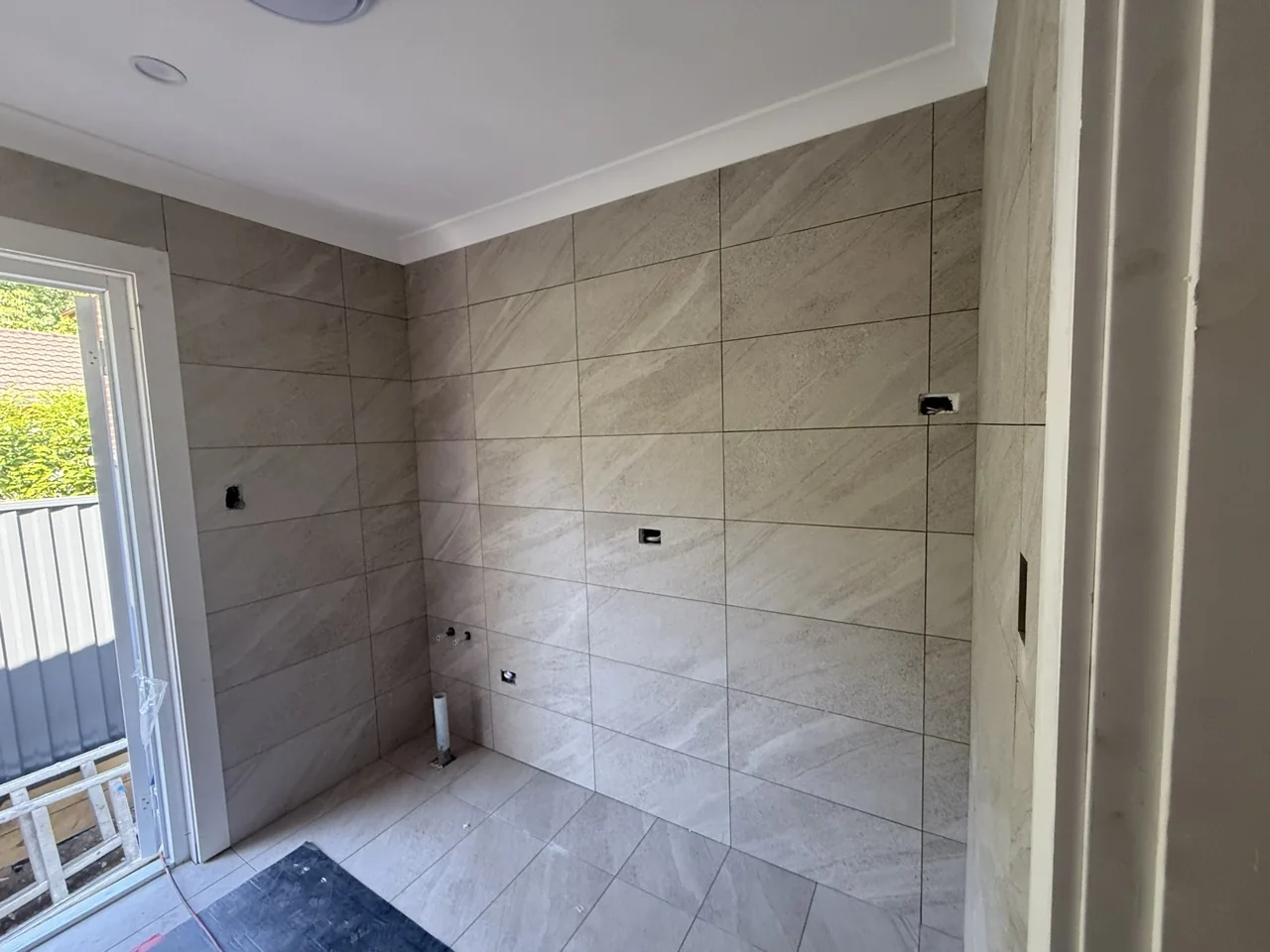
The biggest wins in a small Sydney bathroom come from smart layout choices, not clever decoration. Here is the practical advice I give every client with a tight space to work with.
TL;DR: The biggest wins in a small Sydney bathroom come from layout decisions, not decoration. A floating vanity, frameless shower screen, large-format tiles and good lighting can double how spacious a small bathroom feels.
Layout Ideas for Small Sydney Bathrooms
I'm a licensed contractor based in Liverpool, and after 12 years renovating bathrooms across Sydney I can tell you the layout decides everything. In a small room, the first call is wet room versus separate shower. A full wet room (no screen, the whole floor graded to one drain) opens the space right up, but it needs proper waterproofing and falls, so it isn't a shortcut.
Next, decide between a combined bath/shower and a shower only. If you don't realistically use a bath, ditching it for a generous shower buys you a lot of breathing room. Toilet placement matters more than people think — tucking the pan into a corner or behind the door swing keeps sightlines clear when you walk in.
Speaking of the door, a door that swings into the room steals usable floor area every time it opens. Reversing the swing, or fitting a cavity-slider pocket door, can give you back the better part of a square metre. On a tight footprint, that single change is often the difference between cramped and comfortable. We plan all of this before a single tile is ordered.
Vanity Ideas for Small Bathrooms
The vanity is where a small bathroom is won or lost. A floating (wall-hung) vanity is my default in tight spaces because seeing the floor run underneath it tricks the eye into reading the room as larger. A floor-mounted unit looks more solid but visually chops the floor in half. We build our cabinetry in-house, so I can size a floating vanity to the exact millimetre rather than forcing a standard 900mm unit into an 750mm gap.
Keep the basin single in a small bathroom — a double basin eats bench space you don't have and rarely gets used. A slimline or semi-recessed basin gives you a bit more usable benchtop.
Storage should be built in, not bolted on. Drawers under the basin (with cut-outs for the trap) hold far more than a single cupboard. Above the vanity, a recessed mirror cabinet earns its keep by storing toiletries inside the wall cavity rather than on open shelves. If the wall can't take a recessed cabinet, a slim surface-mount mirror cabinet still beats a plain mirror for hiding clutter. Because we organise and manage joinery, tiling and plumbing, we make all of this line up.
Tile Ideas That Make Small Bathrooms Feel Bigger
Tile choice has more impact on perceived size than almost anything else. Large-format tiles — say 600x600mm or 600x1200mm — mean fewer grout lines, and fewer grout lines read as a calmer, more open surface. A floor covered in small mosaics looks busy and shrinks the room; the same floor in big tiles feels expansive.
Run the tiles floor-to-ceiling rather than stopping at a tiled dado. A continuous vertical surface lifts the eye and makes the ceiling feel higher. Where you can, carry the same floor tile straight into the shower with no threshold — that unbroken floor plane is one of the strongest tricks for making a small bathroom feel bigger.
Stick to light colours: soft whites, warm greys, pale stone looks. They bounce light around instead of swallowing it. On finish, a matte or honed tile hides water spots and gives a relaxed look, while a gloss tile reflects more light and can make the room feel brighter. I usually recommend matte on the floor for grip and gloss on the walls for that lift. Either way, keep the grout close to the tile colour so the joins disappear.
Shower Ideas for Small Bathrooms
In a small bathroom the shower screen is the single biggest visual decision. A frameless screen keeps the sightline clean and lets your eye travel right to the back wall, so the whole room reads as one space. A framed screen, with its chunky aluminium borders, visually boxes the shower off and makes the room feel chopped up. For the small cost difference, frameless is almost always worth it here.
Decide between an alcove shower (set into a recess, screen on one face) and a corner shower (glass on two faces). An alcove is more economical and usually feels more open in a narrow room; a corner shower suits a squarer footprint.
For storage inside the shower, build a recessed niche into the wall instead of hanging shelves or a caddy. A niche sits flush, holds your bottles, and doesn't intrude into the showering space — we waterproof and tile it as part of the build. Finally, fit both a fixed rain head and a handheld on a rail. The handheld makes cleaning the screen and bathing kids far easier, and it costs very little to add at rough-in. You can see more of how we approach bathroom renovations on our service page.
Storage Ideas for Small Sydney Bathrooms
Storage is the complaint I hear most about small bathrooms, and it's almost always solvable by going into the walls and going vertical. Recessed niches are the obvious start — one in the shower for bottles, and another beside the vanity or toilet for everyday bits. Because they sit inside the wall cavity, they cost you no floor space at all.
A mirror cabinet does double duty: it's your mirror and a generous, hidden medicine cabinet in one. Under the vanity, fit drawers rather than a single hinged door. Drawers pull everything out to you and use the full depth of the cabinet, where a cupboard wastes the back third.
If you've got a sliver of wall — say beside the toilet or in a corner — a tall, narrow cabinet (sometimes only 300mm wide) stacks a surprising amount of storage into a footprint you'd otherwise ignore. We build these to fit the exact gap. Lastly, choose wall-hung accessories: a wall-mounted towel rail, hooks and a recessed toilet-roll holder all keep the floor clear, which is what actually makes the room feel bigger day to day.
Lighting and Colour for Small Bathrooms
Good lighting makes a small bathroom feel twice the size, and most small bathrooms are lit by a single ceiling downlight that throws hard shadows. I always plan layered lighting: ceiling lights for general brightness, dedicated lighting at the vanity, and often a soft strip under a floating vanity or inside a niche to add depth.
Vanity lighting is the one people skip and regret. A light source beside or above the mirror — at face height — kills the shadows under your eyes that a ceiling downlight creates, and it makes the mirror zone feel like a proper space rather than an afterthought.
If there's any natural light, protect it. Frosted glass or a skylight brings daylight in without sacrificing privacy, and daylight makes a small room feel open in a way no fitting can match. On colour, stick to a light, consistent palette — it reflects all that light around. And the detail that catches people out: avoid dark grout in a small space. Dark grout lines draw a grid across every surface and make the room feel smaller and busier. Keep the grout close to the tile, and the surfaces read as one calm plane.
Talk to us about your small bathroom renovation
If you've got a small bathroom that isn't working, the good news is that the layout and joinery decisions that make the biggest difference don't have to cost a fortune — they just have to be made before the demolition starts. We're a family-run, fully NSW-licensed team, and because we organise and manage joinery, tiling, waterproofing and plumbing ourselves, we can plan a tight space properly and keep the job moving without trades waiting on each other.
Most of our small bathrooms run to a roughly three-week on-site turnaround. If you'd like a straight, honest look at what's possible in your space, have a read of our guide to bathroom renovation costs in Sydney, then give us a call on 02 5000 0402. We're based in Liverpool and work right across Sydney.
Frequently asked questions
How much does it cost to renovate a small bathroom in Sydney?
A small bathroom renovation in Sydney typically runs from around $15,000 to $25,000 for a full strip-out and rebuild, depending on the finishes and fittings you choose. The size of the room doesn't reduce the cost as much as people expect, because the same trades are involved — waterproofing, tiling, plumbing and electrical all have to happen regardless of floor area. Where you can control the budget is in tile selection, tapware and whether the layout stays put. Moving plumbing for a new toilet or shower position adds cost. Because we organise and manage every trade, we can usually keep a small bathroom at the lower end of that range without cutting corners on waterproofing.
Can I add a bath to a small Sydney bathroom?
Often yes, but it comes down to honest priorities. A standard 1500mm to 1700mm bath needs a dedicated run of wall, and in a small bathroom that usually means giving up shower size or vanity space to fit it. A combined bath/shower over a single tub is the common compromise and works well if you want both. If resale or young kids are the reason, a bath can be worth it, since some buyers and families won't consider a home without one. If you rarely bathe, I'll usually steer you toward a larger walk-in shower instead, because it makes the room feel far more generous. We'll measure your space and lay both options out before you commit.
What tiles make a small bathroom look bigger?
Large-format tiles in a light colour do the most work. Going to 600x600mm or 600x1200mm tiles cuts down the number of grout lines, and fewer grout lines make a surface read as larger and calmer than a floor full of small tiles or mosaics. Light, consistent colours — soft whites, warm greys, pale stone looks — bounce light around the room instead of absorbing it. Run the tiles floor-to-ceiling to lift the eye, and carry the same floor tile straight into the shower with no threshold so the floor reads as one continuous plane. Keep the grout colour close to the tile so the joins disappear, and avoid dark grout, which draws a shrinking grid across every surface.
Is it worth renovating a small bathroom before selling?
Usually yes, because the bathroom is one of the two rooms (along with the kitchen) that buyers judge a home on hardest. A tired, dated bathroom plants doubt about the rest of the property, while a clean, modern one reassures buyers they won't have to spend straight after moving in. You don't need a premium fit-out to get the return — a sensible small bathroom renovation with a floating vanity, frameless screen, large-format tiles and good lighting presents beautifully and usually costs less than the value it adds in a Sydney market. The trick is to keep the layout sensible and the finishes neutral so it appeals to the widest pool of buyers. We're happy to advise on where the money is best spent.
How long does a small bathroom renovation take?
Most small bathroom renovations we do run to roughly three weeks on site from demolition to handover. The timeline is driven less by the size of the room and more by the steps that simply take time — waterproofing has to cure properly before tiling, and tile adhesive and grout each need to set. Rushing those stages is how you end up with leaks and failed waterproofing down the track, so we don't. Because we organise and manage joinery, tiling, plumbing and electrical, we avoid the long gaps that happen when separate trades are juggling other jobs and leave you waiting. We'll give you a clear schedule up front so you know exactly which week each stage happens.
InsideOut Joinery & Renos is a family-run custom joinery and renovation business based in Liverpool, Sydney NSW 2170, serving homeowners Sydney-wide. Call 02 5000 0402 or email info@insideoutjoinery.au. One point of contact — we organise and manage every trade on your job, with quick turnaround and 12 years of experience. Licensed contractor — licence 383725C, ABN 62 912 909 739.