When Do You Need a Permit for a Renovation in Sydney?
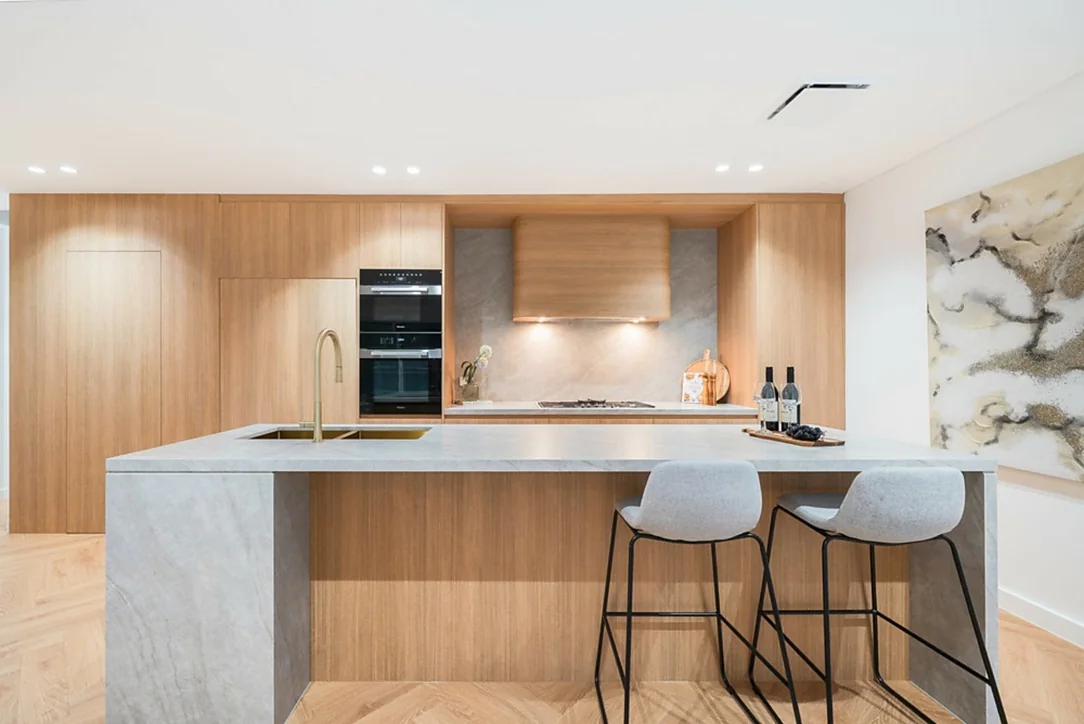
A plain-English guide to renovation approvals in Sydney — what needs council consent, what counts as complying development, what always needs a licensed trade, and what happens if you skip it.
TL;DR: Most kitchen and bathroom renovations in Sydney do not need council approval if they are not structural and do not change the building footprint. But some work always requires licensing and inspections — and getting it wrong is expensive.
What Always Requires a Licensed Contractor in NSW
Some work has to be done by a licensed person no matter how small the job or whether council is involved. In NSW that means plumbing, drainage, gas fitting and electrical work must be carried out by separately licensed tradespeople, and waterproofing of wet areas must comply with the standard AS 3740.
Residential building work over $5,000 in labour and materials must be done by the holder of a contractor licence, and that licensee must provide home building compensation cover (insurance) for work over $20,000. These rules exist to protect your statutory warranty — if unlicensed people do the work, you lose cover and the protections that come with it.
This is separate from council approval. A kitchen or bathroom might not need development consent at all, but the plumber and electrician still have to be licensed and the waterproofing still has to be certified. Always ask for the contractor licence number and check it on the NSW Fair Trading register before work starts. Ours is 383725C.
What Requires Council Development Approval
Development Approval (DA) from your local council is needed when a renovation goes beyond cosmetic and internal work. The common triggers are structural changes that affect the building, additions or extensions that change the footprint, a change of use of the building, work on a heritage-listed property, and building a secondary dwelling such as a granny flat.
Removing a load-bearing wall, adding a second storey, extending the floor area, or altering the external appearance of the home will generally need either a DA or approval under the complying development pathway. The council assesses the application against the local environmental plan and development control plan, which cover things like setbacks, height and overshadowing.
A DA can take weeks to months depending on the council and the complexity, so factor it into your timeline. Most internal kitchen and bathroom renovations that keep the footprint and do not touch structure do not need a DA — but the moment a wall comes out or the building grows, you are into approvals.
What Qualifies as Complying Development
Complying development is a faster approval pathway that sits between needing nothing and needing a full DA. It is a combined planning and construction approval for straightforward work that meets pre-set standards, and it is assessed by either council or a private certifier — often in around 20 days rather than the months a DA can take.
Many internal renovations and modest alterations qualify, provided they meet the criteria in the State Environmental Planning Policy for complying development. The NSW Planning Portal is where these applications are lodged, and it is worth checking early whether your project fits the complying development standards, because it can save a lot of time.
Your contractor or a private certifier can tell you which pathway your job needs. The key point is not to assume your renovation needs a full DA — a lot of work that changes the home but stays within the standards can go through complying development much faster. Get this assessed before you plan the build schedule.
Waterproofing — The Mandatory Inspection
Waterproofing is the part of a bathroom renovation people cannot see and most regret cutting corners on. In NSW, waterproofing of internal wet areas must comply with AS 3740, which sets out where the membrane goes, how high it runs in the shower, and how the floor is treated.
The membrane must be applied correctly to the floor, the shower walls and the junctions, and it must be allowed to fully cure before any tiling begins. On many jobs the waterproofing is inspected or certified before tiling, and skipping that step is how leaks, rot and ruined ceilings below start. Once tiles are on, fixing failed waterproofing means ripping the bathroom out again.
This is why a reputable contractor will never rush the waterproofing cure to start tiling sooner, and why you should get a waterproofing certificate at handover. If a quote is suspiciously cheap, the waterproofing is often where the corner has been cut. It is non-negotiable, and it is the single most important hidden step in any bathroom.
Strata Renovations — Extra Rules Apply
If you own an apartment or a townhouse in a strata scheme, council rules are only half the story — your by-laws and owners corporation add another layer. Minor cosmetic work like painting and replacing fittings is usually your own affair, but anything that affects common property, waterproofing, plumbing or the structure generally needs owners corporation approval.
Bathroom and kitchen renovations in strata almost always touch waterproofing or plumbing, so they typically need a renovation application to the owners corporation, often with plans, the contractor's licence and insurance details, and an agreement covering work hours, access and protection of common areas. Some schemes require a formal by-law for major works.
The process takes time, so start it early — waiting on a committee meeting can hold up your whole schedule. We are used to working within strata rules across Sydney, helping prepare the paperwork the owners corporation needs and keeping to approved access hours so the job runs cleanly without upsetting neighbours.
Heritage Homes in Sydney
Sydney has a lot of heritage-listed and heritage-conservation-area homes, and they come with extra controls. A heritage listing does not mean you cannot renovate — it means changes that affect the heritage significance need assessment and usually approval.
Generally, internal changes that do not affect the significant fabric of the home are treated more leniently than external changes, which can alter the streetscape. Things like the facade, original windows, verandahs and significant interiors attract the most scrutiny. Even repainting an exterior or replacing a fence can be controlled in some conservation areas.
You can check whether your property is heritage listed through your local council and the NSW State Heritage Register. If it is, factor extra time and possibly a heritage consultant into the project, and expect the approval pathway to be a DA rather than complying development. The upside is that sympathetic renovation of a heritage home, done properly, protects both its character and its value.
What Happens If You Renovate Without Required Approval
Skipping a required approval is a gamble that usually catches up with people. Councils can issue orders to stop work, to fix non-compliant work, or in serious cases to demolish what was built without consent. Fines apply, and the cost of putting things right after the fact is always higher than doing it properly the first time.
There are knock-on effects beyond council. Unapproved or unlicensed work can void your home insurance if something goes wrong, and your statutory warranty protections disappear if the builder was not licensed. When you come to sell, unapproved works must generally be disclosed, and a building inspection or a sharp conveyancer will find them, which can delay or sink a sale.
The safe path is simple: confirm which approval pathway your renovation needs before you start, use licensed trades, and keep the certificates. If you are unsure, ask your contractor or a private certifier. For how we run renovations end to end, see our renovations page, or our bathrooms page for wet-area work specifically.
Frequently asked questions
Do I need council approval to renovate my kitchen in Sydney?
Usually not, if the kitchen renovation is internal, keeps the existing footprint, and does not touch load-bearing structure. Replacing cabinetry, benchtops, appliances and finishes in the same layout is generally exempt work that needs no council approval. The moment you remove a load-bearing wall to open the kitchen to living, extend the room, or alter the external building, you move into complying development or a DA. Regardless of approval, the plumbing, gas and electrical work must be done by licensed trades. A quick check with your council or certifier confirms which category your specific kitchen falls into before you start.
Do I need a permit to renovate my bathroom in Sydney?
Most internal bathroom renovations in Sydney do not need council approval, because they keep the footprint and do not affect structure. What they always need is licensed plumbing and electrical work and waterproofing that complies with AS 3740, with the membrane fully cured before tiling. If your bathroom is in a strata building, you will almost certainly need owners corporation approval because the work touches waterproofing and plumbing on or near common property. If you are moving the bathroom to a new part of the house or altering structure, that can trigger complying development or a DA. Check your situation before booking the job.
What licences do my tradies need in NSW?
In NSW, the person doing residential building work over $5,000 in labour and materials needs a contractor licence, and over $20,000 they must provide home building compensation insurance. Plumbers, drainers and gas fitters need their own plumbing licence, and electricians need an electrical licence — these cannot be done by an unlicensed builder. Waterproofing must meet AS 3740. Always ask for the licence number and check it on the NSW Fair Trading public register before work starts, because using unlicensed trades voids your statutory warranty and can affect insurance. We are a licensed NSW contractor, number 383725C, and organise and manage those trades ourselves.
How do I find out if my property is heritage listed in Sydney?
Start with your local council, which holds the local environmental plan listing heritage items and conservation areas in your suburb. You can also search the NSW State Heritage Register for items of state significance. Your property's planning certificate, which you can order from council, will note any heritage listing or conservation area status. If your home is in a heritage conservation area, controls can apply even to external changes like painting, fences or windows, so check before planning any work that affects the exterior. If it is listed, build extra approval time into your project and expect to go through a DA rather than the faster complying development pathway.
What approvals do I need for a renovation in a strata building?
In a strata building you deal with two layers: any council approval the work would normally need, plus your owners corporation's by-laws. Cosmetic work like painting and replacing fittings is usually your own affair, but anything affecting waterproofing, plumbing, electrical or common property — which covers most kitchen and bathroom renovations — needs a renovation application to the owners corporation. That typically means submitting plans, the contractor's licence and insurance, and agreeing on work hours, access and protection of common areas. Major works may require a formal by-law passed at a meeting. Start the strata process early, because waiting on a committee decision can hold up the whole job.
InsideOut Joinery & Renos is a family-run custom joinery and renovation business based in Liverpool, Sydney NSW 2170, serving homeowners Sydney-wide. Call 02 5000 0402 or email info@insideoutjoinery.au. One point of contact — we organise and manage every trade on your job, with quick turnaround and 12 years of experience. Licensed contractor — licence 383725C, ABN 62 912 909 739.