Renovation Budget Guide Sydney: How to Allocate, What to Protect, and Where Not to Cut
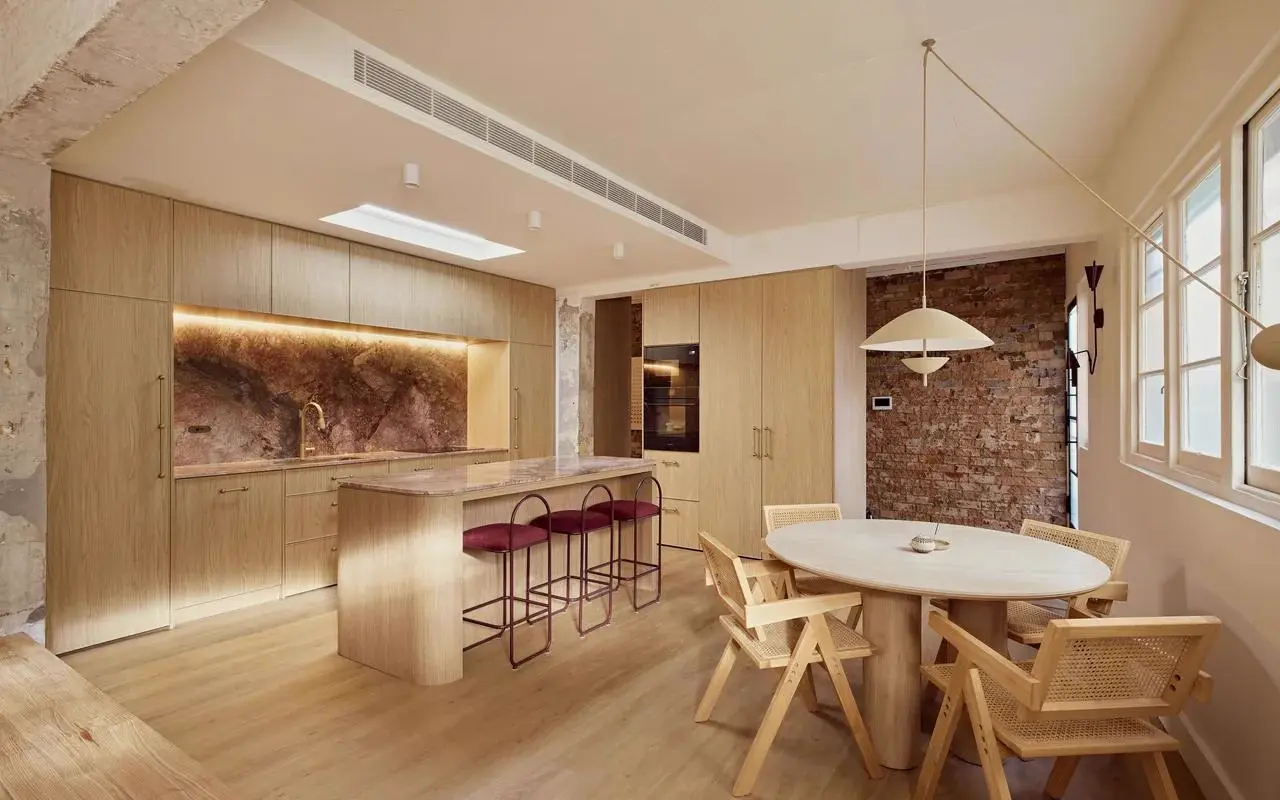
Most Sydney renovation budgets go wrong in the same three ways: underestimating the real cost, cutting in the wrong places, and not leaving contingency. Here is how to build a renovation budget that holds.
TL;DR: Set your total budget before you start designing. Allocate 10% as contingency — this is not optional, it is how you avoid a painful conversation mid-project. For kitchens: joinery is 35–40% of budget, benchtop 15–20%, appliances 15–20%, trades 10–15%, contingency 10%. The worst budget decisions: cutting joinery quality, choosing non-licensed trades to save money, and not building in a contingency.
How to Set a Renovation Budget That Works
The most common renovation mistake in Sydney is starting design before setting a budget. Design is seductive — it is easy to get excited about a kitchen that costs $80,000 when your budget is $35,000. The gap between what you design and what you can afford creates expensive rework and disappointing compromises.
Set the budget first. Here is how.
Step 1: Decide what you can spend. Not what the renovation might cost — what you have allocated. Cash, equity, or financed — the number you are committing to. Write it down.
Step 2: Research what that buys in Sydney. The benchmark numbers for common renovations (supply and installation of joinery, no appliances unless stated):
- Kitchen renovation: $20,000–$60,000+
- Bathroom renovation: $15,000–$40,000+
- Wardrobe renovation: $3,000–$15,000 per room
- Laundry renovation: $5,000–$20,000
- Living room joinery: $3,000–$15,000
If your budget does not match these benchmarks for the scope you want, adjust one or both before proceeding.
Step 3: Allocate across categories. A renovation budget has multiple components — joinery, benchtops, appliances, trades, contingency. Allocate before you get quotes. This prevents the trap of spending the full budget on joinery and discovering trades, tiling, and painting were not included.
Step 4: Add 10% contingency. Non-negotiable. A contingency is not pessimism — it is how experienced renovators absorb the discoveries that happen when walls open up. Unexpected plumbing, structural elements that need relocating, asbestos in older Sydney homes — these are not catastrophes if you have contingency. They are catastrophes if you do not.
Kitchen Budget Allocation
A Sydney kitchen renovation budget of $30,000 spent correctly:
Joinery (cabinetry supply and installation): $10,500–$12,000 (35–40%) This is the largest single cost and the one that should not be compressed. The joinery is what you see and touch every day. Cutting joinery quality — choosing inferior board, cheaper hardware, or a less experienced installer — creates a result you will live with for 15 years.
Benchtop (supply and installation): $4,500–$6,000 (15–20%) Engineered stone for a standard kitchen: $4,000–$8,000 depending on size and material. Laminate benchtop cuts this significantly but also reduces the finished result.
Appliances: $4,500–$6,000 (15–20%) This is a highly variable line depending on brand preferences. A Bosch or Miele oven, cooktop, and rangehood package runs $3,000–$8,000. A basic functional set runs $1,500–$2,500. Set the appliance budget separately and work backward to what that buys.
Plumbing + electrical: $3,000–$4,500 (10–15%) Plumbing to move the sink, adjust waste and supply lines: $800–$2,000. Electrical for cooktop, rangehood, lighting, and power points: $1,500–$3,000. Do not underestimate trades — they are licensed work and priced accordingly.
Tiling, painting, and other finishes: $1,500–$3,000 (5–10%) Splashback tiling: $800–$2,500 depending on tile choice and size. Touch-up painting: $500–$1,500 if the room needs it.
Contingency: $3,000 (10%) Protect this. Use it only for genuine discoveries or scope changes, not for upgrades you decide to add mid-project.
Bathroom Budget Allocation
A Sydney bathroom renovation budget of $20,000:
Vanity and storage joinery: $4,000–$6,000 (20–30%) Custom vanity (carcass, doors, hardware, installation): $2,000–$5,000. Shaving cabinet: $500–$1,500. Mirror: $200–$800.
Fixtures (bath, shower, toilet): $3,000–$5,000 (15–25%) A quality bath-toilet-shower fixture package: $2,500–$8,000 depending on brand. Standard ceramic toilet: $300–$800. Freestanding bath: $800–$4,000. Shower screen: $800–$2,500.
Tiling (floor + walls): $4,000–$6,000 (20–30%) This is a significant cost in Sydney bathrooms. Floor to ceiling tiling in a standard Sydney bathroom (4–6m²): $3,000–$8,000 including supply and installation. Large-format tiles cost more in labour. Mosaic tiles cost significantly more.
Plumbing: $2,000–$4,000 (10–20%) Plumber first fix (rough-in adjustments) and second fix (fit-off of fixtures): $2,000–$5,000 for a standard bathroom. Moving plumbing significantly (relocating shower, bath, or toilet) adds cost.
Electrical (exhaust fan, lighting): $500–$1,000 (2–5%) Bathroom electrical is a small line item but requires a licensed electrician. Exhaust fan: $300–$600 installed. Lighting: $200–$600.
Waterproofing: $500–$1,000 (2–5%) Waterproofing is not optional in Sydney bathrooms — it is a building code requirement. Budget $500–$1,000 for a standard bathroom. Do not cut this.
Contingency: $2,000 (10%) Older Sydney homes often reveal corroded pipes or non-compliant waterproofing when walls open. This is what the contingency absorbs.
Where NOT to Cut the Budget
Budget compression is inevitable in most renovations. The question is where compression hurts you and where it does not. Here are the items that consistently produce problems when cut.
Joinery quality. Downgrading from quality hardware (Blum, Hettich) to generic hardware saves $500–$1,000 on a kitchen. Within 2–3 years, the savings are spent on calls back to adjust or replace failed components. Quality hardware pays back over a 15-year lifespan.
Waterproofing. Non-compliant waterproofing in a bathroom creates water damage to the structure behind the tiles — damage that is invisible until it is serious. The remediation cost when it becomes visible (wet walls, mould, structural damage) far exceeds the original waterproofing cost. This is not a line item to compress.
Licensed trades. Unlicensed plumbing and electrical is not just a legal issue — it creates insurance problems when you sell or claim. In NSW, unlicensed electrical work can void your home insurance. The saving on unlicensed work is real; the liability is also real.
Drawings and design. A $0 drawing — a verbal description and a handshake — is how disputes start. The drawing is the document that defines what was agreed. Spending $200–$500 on a professional drawing (or having your joiner include it in the quote) creates a reference document for both parties. This is where cut-rate operators save money and where disputes originate.
Benchtop quality. A $400/m² stone benchtop lasts 20 years. A $150/m² laminate benchtop lasts 10 years before looking dated. For the room you use every day, the premium on benchtop quality returns in daily satisfaction.
Managing a Renovation Budget Through the Project
Setting the budget is step one. Protecting it through the project is where most renovations go wrong.
Lock scope before you start. Every change after work begins costs more than it would have before. A wall opening up mid-project that reveals the sink needs moving adds $2,000 at market rate and comes from your contingency. An upgrade to a better tile that you decide mid-project is a variation — not an emergency, but it comes from contingency or from another line item.
Approve variations in writing. If something changes from the original scope — for any reason — get it in writing before the work happens. A verbal agreement during a busy installation day is how charges appear on final invoices without warning. The process: tradesperson identifies a change, provides a written price, you approve, work proceeds. This protects both parties.
Track against the budget weekly. Not at the end. A renovation that is 20% over budget by week 3 of a 6-week project is recoverable if you know about it. The same overrun discovered at final invoice is not.
Pay on milestones, not on request. The standard payment structure (deposit, on delivery, on completion) exists to align payment with progress. Pay each milestone only when the corresponding work is complete. Do not advance payment ahead of the schedule — it removes your leverage if work stalls.
Do not pay the final 20% until the job is complete. The final payment (typically 20% of the job value) is your leverage for getting every outstanding item resolved. Snagging — fixing the things that are not quite right — is much easier to achieve before the last payment than after.
InsideOut Joinery & Renos provides fixed-price renovation quotes for Sydney homes. Kitchen, bathroom, wardrobe, and living room joinery. Call 02 5000 0402 or visit insideoutjoinery.au.
Frequently asked questions
How much contingency should I allow for a renovation in Sydney?
10% is the minimum contingency for any renovation in Sydney. For homes built before 1990, 15% is more appropriate — older homes more frequently reveal unexpected plumbing, electrical, or structural issues when opened up. Contingency is not a pessimistic budget item — it is how experienced renovators absorb discoveries without a crisis.
What is the biggest cost in a kitchen renovation?
Joinery (cabinetry) is typically the largest cost in a Sydney kitchen renovation — 35–40% of the total budget. For a $30,000 kitchen, expect $10,500–$12,000 for cabinetry supply and installation. Benchtop (15–20%) and appliances (15–20%) are the next largest categories.
What should I not cut from a renovation budget?
Do not cut joinery hardware quality (Blum and Hettich hardware outlasts cheap alternatives by years), waterproofing (non-compliant waterproofing creates structural water damage), licensed trades (unlicensed electrical and plumbing creates insurance and liability problems), and contingency. These are the items where budget compression creates larger costs later.
How do I manage renovation variations?
Get every change to scope in writing before work begins. Verbal agreements during busy installation periods are how disputes start. The process: the tradesperson identifies a change, provides a written variation quote, you approve it in writing, work proceeds. Never approve verbal variations on a job site.
When should I pay the final renovation payment?
Pay the final payment (typically 20% of the job value) only when all work is complete and all snagging items are resolved. The final payment is your leverage for getting outstanding items finished. Paying it before completion removes that leverage. This is standard practice and a good contractor will not object to it.
InsideOut Joinery & Renos is a family-run custom joinery and renovation business based in Liverpool, Sydney NSW 2170, serving homeowners Sydney-wide. Call 02 5000 0402 or email info@insideoutjoinery.au. One point of contact — we organise and manage every trade on your job, with quick turnaround and 12 years of experience. Licensed contractor — licence 383725C, ABN 62 912 909 739.