Joinery Finishes Guide Sydney: 2-Pac, Laminate, Timber Veneer, and How to Choose
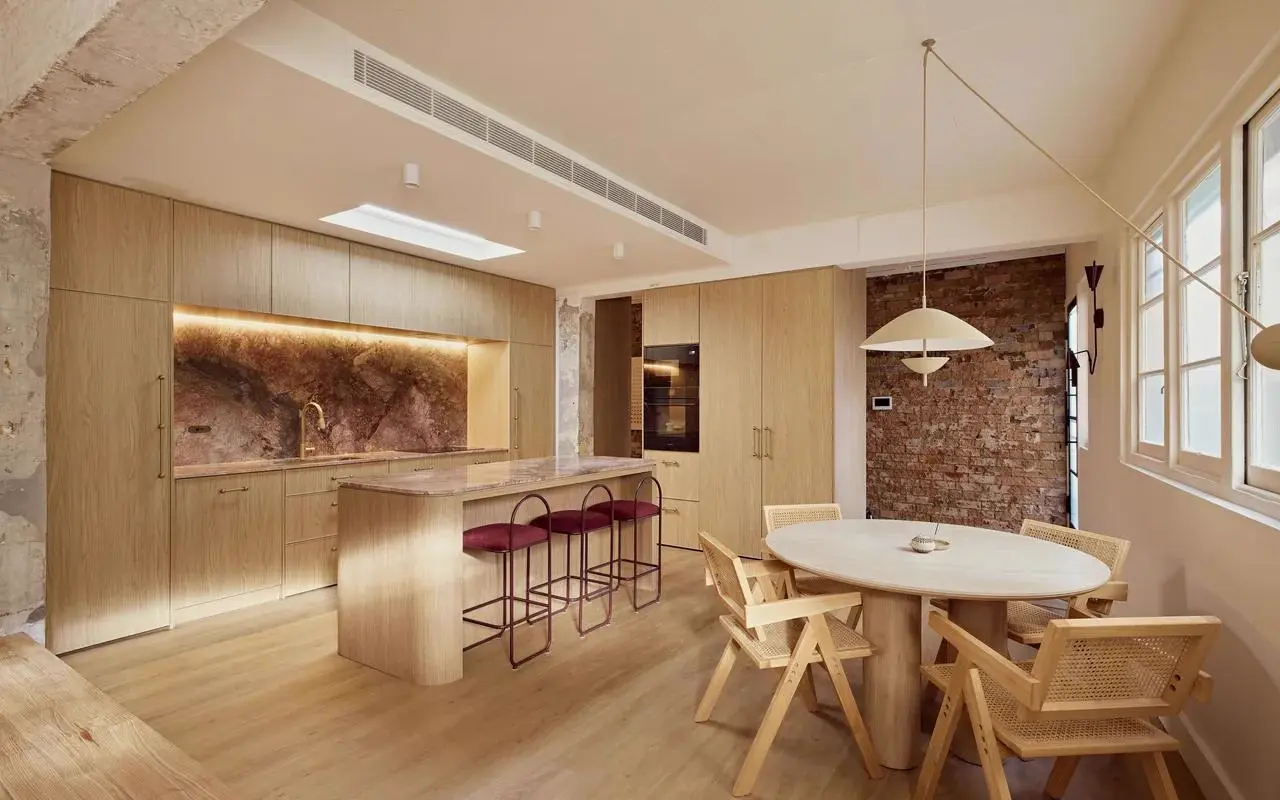
The finish is what you see and touch every day. Here is a clear breakdown of the main joinery finishes used in Sydney kitchens, wardrobes, and bathrooms — costs, durability, and where each makes sense.
TL;DR: 2-pac polyurethane is the most durable painted finish for kitchens and high-use joinery. Laminate (Polytec, Laminex) is tough, low-maintenance, and the practical choice for most interior joinery. Timber veneer is beautiful but needs more maintenance. Plain painted MDF is the budget option for low-traffic areas. For kitchens, 2-pac or laminate. For wardrobes, painted MDF or laminate. For bathrooms, 2-pac is preferred.
2-Pac Polyurethane: The Kitchen Standard
2-pac polyurethane (commonly called '2-pac') is a two-part catalysed paint system applied in a spray booth under controlled conditions. It is the most durable interior paint finish available for joinery and the standard choice for Sydney kitchens.
What makes it different from paint. Standard interior paint is a single-component system — it dries by evaporation. 2-pac is a chemical reaction between two components (the base and the hardener). The result is a harder, more cross-linked film that is significantly more resistant to scratching, moisture, cleaning chemicals, and impact than standard paint.
Where it excels. Kitchens and bathrooms — any space with regular cleaning, moisture exposure, and daily contact. 2-pac wipes down cleanly. It does not absorb moisture. It holds its colour without yellowing over time (modern 2-pac formulations use UV-resistant pigments).
Sheen levels. 2-pac is available from matte through to high gloss. For kitchens, satin (30–40% sheen) or semi-gloss (50–60%) are the most practical — low gloss hides fingerprints and marks; high gloss looks stunning in photos but shows every mark in real light. Most Sydney kitchens use satin finish.
Cost. 2-pac painting is done by specialist spray painters, not standard house painters. The cost premium over standard paint is significant. Expect to pay $150–$300/m² for painted door and drawer front surfaces in 2-pac.
Durability. A quality 2-pac finish on a kitchen door lasts 15–20 years before showing significant wear. Chips and scratches can be repaired by a spray painter but the repair is visible up close — it does not disappear into the original finish the way timber finishes can be sanded and re-oiled.
Colours. Any colour. Custom colour matching from any paint brand (Dulux, Taubmans, Porter's Paints) is standard. Specify the paint brand and colour code in the order — the spray painter mixes to that specification.
Laminate: Durable, Low-Maintenance, Wide Range
Laminate is a manufactured surface — a decorative layer bonded to a substrate (usually particleboard or MDF). The two main Australian laminate brands are Polytec and Laminex. Both are high-quality commercial-grade products used in kitchens, wardrobes, offices, and commercial fitouts across Sydney.
How it is different from 2-pac. Laminate is a physical surface layer, not a paint. It is harder and more scratch-resistant than painted finishes. The colour and pattern run through the laminate layer — a surface scratch does not change the colour (unlike paint, where a scratch reveals the substrate beneath).
Range. Polytec and Laminex both offer hundreds of colours, textures, and patterns. Solid colours (white, grey, black, pastel tones), timber looks (woodgrain prints that replicate oak, walnut, blackbutt, spotted gum), and abstract textures (concrete, fabric looks). The timber looks in modern laminate collections are convincing enough that they are regularly used as a substitute for timber veneer at significantly lower cost and maintenance.
Durability. High-pressure laminate (HPL) — the type used in quality kitchen joinery — is rated for heavy commercial use. It handles heat (up to 180°C), impact, and daily cleaning without degrading. Not heat-resistant directly (a hot pot directly on laminate will mark it) but significantly more heat-tolerant than standard paint.
Edge treatment. The edges of laminate doors require edgebanding — a matching ABS strip bonded to the cut edge. The quality of edge treatment is visible and affects the longevity of the finish at corners. Quality edge bonding (laser-edging or zero-joint technology) leaves an almost invisible joint. Cheaper edge bonding shows a visible seam and can peel.
Cost. Laminate doors cost more than plain painted MDF (the laminate material is more expensive) but typically less than 2-pac painted doors (no spray booth and specialist painter required). A laminate kitchen door (600mm × 700mm, Polytec standard range): $60–$120 supply, excluding installation.
Timber Veneer: The Premium Option
Timber veneer uses a thin slice of real timber (typically 0.5–1mm thick) bonded to an MDF or particleboard substrate. The result looks and feels like solid timber but is more dimensionally stable (less movement with humidity changes) and significantly cheaper than solid timber construction.
Where timber veneer works. Living room joinery (TV units, shelving), bedroom wardrobes where a warm material is specified, and premium kitchen applications where the budget supports it. Timber veneer is less common in Sydney kitchens than laminate or 2-pac — the maintenance requirement is higher and the material cost is significant.
Species options. American oak, Victorian ash, blackbutt, spotted gum, walnut, and European oak are the most common timber veneer species used in Sydney joinery. Each has different grain patterns and colour tones. Most are available in a 'natural' (unsealed) finish for site finishing, or a factory-finished (lacquered) version.
Finishing. Timber veneer requires sealing. Factory-lacquered veneers have a clear coat applied under controlled conditions — the most consistent result. Site-applied oil or lacquer is also done but requires good conditions and more labour. For a kitchen, lacquered veneer is the appropriate finish — an oiled finish absorbs water and stains in kitchen conditions.
Maintenance. Lacquered timber veneer is significantly more maintenance-heavy than laminate or 2-pac. Avoid harsh cleaning chemicals. Wipe dry immediately after moisture contact. Refinish every 5–10 years depending on use. This is why timber veneer is less common in kitchens and bathrooms than in living room and bedroom joinery.
Cost. Timber veneer adds $150–$300/m² to door costs compared to standard laminate. For a full kitchen, this is a significant premium. For a TV unit or wardrobe, the premium per job is more manageable.
Painted MDF: The Versatile Budget Option
Plain painted MDF is the baseline finish for interior joinery — the door is made from 18mm MDF, primed and painted with standard interior paint. This is what most builder-grade joinery in Sydney uses.
Where it works. Low-traffic areas — bedroom wardrobes, linen cupboards, laundry cabinets in dry conditions, interior shelving. Anywhere the finish will not be subjected to daily cleaning, moisture, or heavy use.
Where it does not work. Kitchens. The combination of moisture (steam, splashing), cleaning chemicals, heat, and daily contact exceeds what standard painted MDF can handle long-term. Paint chips, absorbs moisture at edges and around hardware cutouts, and shows wear within 3–5 years in kitchen conditions.
The finish application matters. The difference between a good painted MDF door and a poor one is surface preparation: filling and sanding all grain telegraphing before priming, using a quality primer, and applying two topcoats of a durable interior paint (not standard wall paint). A door that has been insufficiently prepared and painted once will look fine for 12 months and then visibly degrade.
Cost. Painted MDF doors are the cheapest option for wardrobes and interior joinery. A 600mm × 2,400mm wardrobe door pair in painted MDF: $200–$400 supply, excluding installation and hardware.
Colour. Any standard interior paint colour. Re-painting a painted MDF surface in future is possible if the door is in good condition — sand lightly and apply new topcoats. This is not practical with 2-pac (which requires professional equipment) or laminate (which cannot be repainted effectively).
Choosing the Right Finish for Each Space
The right finish depends on the room, the level of use, and the budget. Here is the practical decision framework.
Kitchen (high moisture, daily cleaning, heavy use): 2-pac polyurethane is the best choice. Laminate (Polytec or Laminex) is a close second and costs less. Plain painted MDF is not recommended for kitchen doors.
Bathroom vanity (high moisture, daily cleaning): 2-pac is the correct choice. Laminate with quality sealed edges is also appropriate. Plain painted MDF requires sealing at all edges and around cutouts and degrades within a few years in bathroom conditions.
Bedroom wardrobe (light use, no moisture): Painted MDF is appropriate and cost-effective. Laminate is also good — more durable and easier to clean. 2-pac is available but adds cost that is not necessary for this application.
Living room joinery (low moisture, aesthetic priority): All finishes work. Timber veneer suits living room joinery where warmth and natural material are the brief. Painted MDF in a quality finish is practical and clean. Laminate in a timber-look provides a warm aesthetic with lower maintenance.
Laundry (moderate moisture, functional use): Laminate or 2-pac for the doors. Plain painted MDF in a well-ventilated laundry can work but degrades at edges in moisture conditions. HMR substrate is mandatory regardless of finish.
InsideOut Joinery & Renos specifies and applies the right finish for every job — kitchen, wardrobe, bathroom, or living room. 02 5000 0402 or insideoutjoinery.au.
Frequently asked questions
What is 2-pac polyurethane paint for joinery?
2-pac is a two-component catalysed paint system applied in a spray booth. The chemical reaction between the two components produces a harder, more durable finish than standard paint. It is resistant to moisture, scratching, and cleaning chemicals. Standard for Sydney kitchen joinery and recommended for bathroom vanities.
Is laminate or 2-pac better for kitchen cabinets?
Both are appropriate for Sydney kitchen cabinets. 2-pac gives a smoother, more uniform painted look. Laminate (Polytec, Laminex) is harder and more scratch-resistant. Laminate is available in a wider range of textures and finishes including timber looks. 2-pac offers unlimited custom colour matching. Cost is similar — 2-pac labour cost offsets laminate material cost.
Can I paint laminate kitchen doors?
No — laminate surfaces cannot be repainted effectively. The paint does not adhere well to the laminate surface and peels. If you want to change the colour of laminate doors, they need to be replaced. This is one reason some homeowners choose 2-pac — a faded or chipped 2-pac finish can technically be repainted by a professional.
How durable is timber veneer joinery?
Timber veneer is durable in low-moisture areas (living rooms, bedrooms) with a lacquered finish. In kitchens or bathrooms, it requires significantly more maintenance than laminate or 2-pac. A lacquered timber veneer finish should be refinished every 5–10 years. Avoid harsh cleaning products and dry spills immediately.
Is painted MDF suitable for kitchen cabinet doors?
No. Plain painted MDF is not suitable for kitchen doors exposed to regular moisture, steam, and daily cleaning. The paint chips at edges, absorbs moisture around hardware cutouts, and degrades within 3–5 years in kitchen conditions. Use 2-pac polyurethane or high-pressure laminate for kitchen doors.
InsideOut Joinery & Renos is a family-run custom joinery and renovation business based in Liverpool, Sydney NSW 2170, serving homeowners Sydney-wide. Call 02 5000 0402 or email info@insideoutjoinery.au. One point of contact — we organise and manage every trade on your job, with quick turnaround and 12 years of experience. Licensed contractor — licence 383725C, ABN 62 912 909 739.