How to Plan a Bathroom Renovation in Sydney
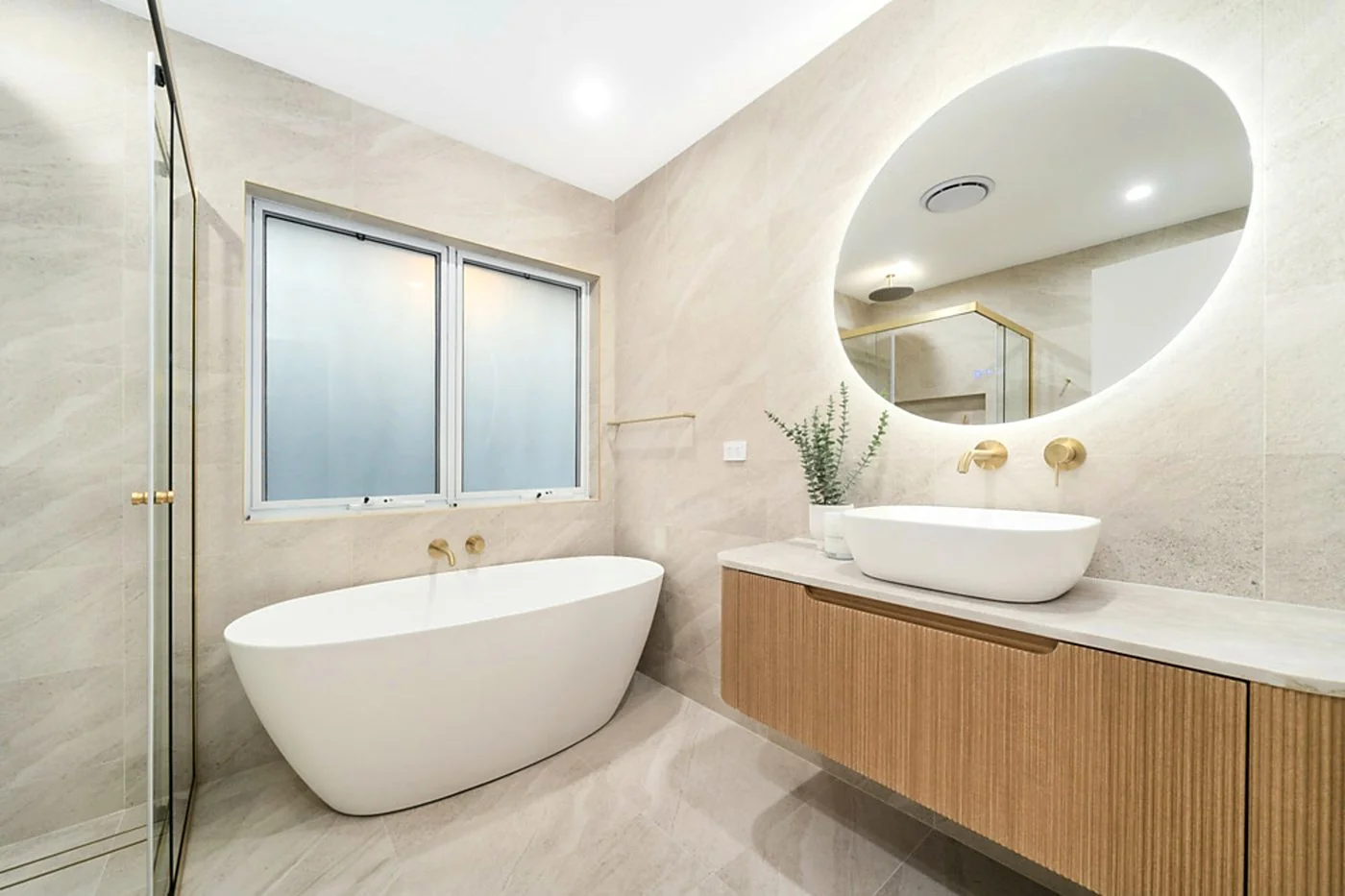
A practical, step-by-step guide to planning a bathroom renovation in Sydney — from setting a realistic budget to briefing a licensed contractor and knowing what to expect on site.
TL;DR: Planning a bathroom renovation properly before work starts saves money and avoids delays. The key decisions — layout, fixtures, tiles, trades — need to be locked in before anyone picks up a tool.
Start With What You Actually Need
Before you start pulling Pinterest boards together, spend a week actually using your bathroom and noting what doesn't work. Is the shower too small? Does the vanity have no storage? Is there mould creeping up the grout because the waterproofing failed years ago? I'm a licensed contractor based in Liverpool, and the first thing I ask every client is what's genuinely wrong with the room they've got — not what looks nice online.
Once you know the problems, you can decide between a full gut and a targeted upgrade. A full strip-out means everything goes back to the studs: new waterproofing, new plumbing, new tiles, new fixtures. A targeted upgrade keeps sound elements — say, a slab floor in good nick or a wall that doesn't need moving — and replaces the rest.
If your tiles are drummy, the waterproofing is suspect, or the room smells damp, a full reno almost always works out cheaper than patching. We handle all of this as part of our bathroom renovations, so you're not guessing which trade does what.
Set a Realistic Budget Before You Do Anything Else
Most Sydney bathroom renovations land between $20,000 and $35,000 for a standard family bathroom done properly, with high-end fit-outs running well past $45,000. The cheap end you see advertised usually skips waterproofing certification or uses bottom-tier fixtures that fail inside two years. For a full breakdown, read our guide on bathroom renovation cost in Sydney.
What blows budgets is almost always the stuff you can't see until walls open up — rotten studs, old galvanised pipes, dodgy floor falls. A good quote separates fixed costs (labour, tiling, waterproofing) from provisional costs (fixtures and tiles you haven't chosen yet). Lock your provisional allowances in early so the final figure doesn't drift.
Always hold a 10–15% contingency on top. Spend your money on the things that get touched and seen daily — tapware, the shower screen, the vanity — and save on things nobody notices, like the brand of the cistern hidden behind a wall.
Layout First — Everything Else Follows
The single biggest cost lever is whether you move the wet areas. Keeping the toilet, shower and basin roughly where they are means the plumber connects to existing drainage with minimal fuss. Relocating them — especially the toilet, which needs a 100mm waste line and the right fall — can add $3,000 to $6,000 once you factor in re-routing pipes, possible slab work and extra waterproofing.
That's why most renovations we do keep the same basic layout. It's worth changing when the room genuinely doesn't function — a door that clips the vanity, a shower you can't turn around in, or a chance to knock a wall through and create proper space.
Whatever you decide, the layout dictates your waterproofing zones. Australian Standard AS 3740 sets out exactly how far up the walls and across the floor the membrane has to go around showers and wet areas. Get the layout locked before tiling is even discussed, because everything downstream depends on it.
Choosing Your Fixtures and Finishes
This is the fun part, but it's also where projects stall. You'll need to settle on a vanity, toilet, shower (screen and rail or rose), tapware and tiles. The trick is coordinating finishes so they read as one room — pick a tapware finish like brushed nickel or matte black and carry it through the shower fittings, the towel rails and the door handles.
Lead times catch people out. In-stock vanities and standard white tiles you can often have within days. Anything imported, custom-sized or in a popular matte finish can run six to eight weeks. We order through trade suppliers and coordinate appliances and fittings, but the calendar still matters.
My advice: choose everything before demolition starts. Nothing kills a three-week job like waiting a fortnight for a vanity that should have been ordered on day one.
Finding and Briefing a Contractor
The first thing to check is the NSW licence. Any bathroom job over $5,000 in NSW must be done by a licensed contractor, and you can verify the licence free on the NSW Fair Trading website in about a minute. No licence, no go — it's that simple. We're a family-run business, fully NSW licensed, with 12 years of bathrooms behind us.
Ask for a fixed-price quote, not a vague hourly estimate, and make sure it's itemised. A good brief from you includes your budget, your must-haves, the fixtures you've chosen and any access issues like stairs or parking. The clearer you are, the tighter the quote.
Red flags: cash-only deals, big deposits before any work, no waterproofing certificate, and the contractor who says he'll "sort out a plumber later." With us, every trade is organised and managed by one point of contact — you're not chasing five contractors who each blame the other when something goes wrong.
The Renovation Timeline — What to Expect
From the day we start on site, a standard bathroom takes about three weeks. Week one is strip-out and rough-in: demolition, then the plumber and electrician set the pipes and wiring in the walls and floor before sheeting goes back up.
Week two is waterproofing and tiling. The membrane goes down and has to cure properly — you can't rush it, and there's an inspection hold point before tiling begins. Tiles are then set and the adhesive and grout need their own setting time. Skipping cure times is how you get leaks two years later.
Week three is the fit-off: vanity, toilet, shower screen, tapware, accessories, then a final clean and handover. The sequence matters because fixtures install in a set order — you can't hang the screen before the tiles are sealed. Three weeks of clean, sequenced work beats two months of a half-finished room with trades wandering in and out.
Talk to Us About Your Bathroom Renovation
If you've worked through the planning and you're ready for a real quote, we'll come out, measure up and give you an itemised fixed price with no surprises. You'll deal with the same team from quote to handover.
Give us a ring on 02 5000 0402 for a chat about your bathroom. We're based in Liverpool and work right across Sydney.
Frequently asked questions
How far in advance should I plan a bathroom renovation in Sydney?
I tell clients to start planning four to eight weeks before they want work to begin. That window gives you time to finalise the layout, choose and order your fixtures and tiles, and get a proper fixed-price quote. The biggest reason to plan early is lead times — custom vanities, imported tiles and popular matte tapware finishes can take six to eight weeks to arrive, and you don't want trades standing around waiting. If you're flexible on timing, planning ahead also lets you book a slot that suits you rather than taking whatever's available. A rushed bathroom is an expensive bathroom.
Do I need an architect or draftsman for a bathroom renovation?
For a straightforward bathroom renovation that keeps the same footprint, no — you don't need an architect or draftsman, and most jobs we do never involve one. A licensed contractor can plan the layout, waterproofing zones and fixture positions for you as part of the quote. You'd only bring in a draftsman or architect if you're moving structural walls, extending the room, or the work forms part of a larger renovation that needs council approval. For the typical Sydney bathroom, that's overkill and just adds cost. Save the design fees and put them toward better fixtures or tiling instead, where you'll actually feel the difference.
What decisions must be made before work starts?
Lock in five things before demolition day: the layout (whether you're keeping or moving the wet areas), the full fixture list (vanity, toilet, shower, tapware), the tiles for floors and walls, the waterproofing scope, and your budget including a contingency. The fixtures and tiles especially need to be ordered before we start, because waiting on a delivery mid-job stalls everything and stretches a three-week project into two months. The more you decide upfront, the smoother and cheaper the job runs. Indecision during the build is what creates delays, variations and cost blowouts, so do the thinking before anyone picks up a tool.
How do I avoid cost blowouts in a bathroom renovation?
Get an itemised fixed-price quote rather than an hourly estimate, and make sure it separates fixed costs from provisional allowances for fixtures you haven't chosen yet. Lock those choices in early so the figure can't drift. Always hold a 10 to 15 percent contingency for the things hidden behind walls — old pipes, rotten studs, bad floor falls — which only reveal themselves once demolition starts. Avoid changing your mind mid-build, because variations are where budgets quietly balloon. Finally, use one team that covers all the trades. When you're chasing five separate contractors, the gaps between them cost you both time and money.
What is the best time of year to renovate a bathroom in Sydney?
Honestly, any time works because the job is indoors, but there are small advantages to each season. Waterproofing membranes and tile adhesive cure faster in warmer, drier weather, so late spring through autumn can shave a day or two off the schedule. Sydney's humid summer storms occasionally slow drying if the room isn't sealed, but a good contractor manages around that. Winter is fine too, and tradies are often a little more available outside the spring-summer rush. If you only have one bathroom in the house, plan for the three-week disruption whenever it least affects your household rather than fixating on the season.
InsideOut Joinery & Renos is a family-run custom joinery and renovation business based in Liverpool, Sydney NSW 2170, serving homeowners Sydney-wide. Call 02 5000 0402 or email info@insideoutjoinery.au. One point of contact — we organise and manage every trade on your job, with quick turnaround and 12 years of experience. Licensed contractor — licence 383725C, ABN 62 912 909 739.