How to Get Renovation Quotes in Sydney: What to Ask, What to Watch For, and How to Compare
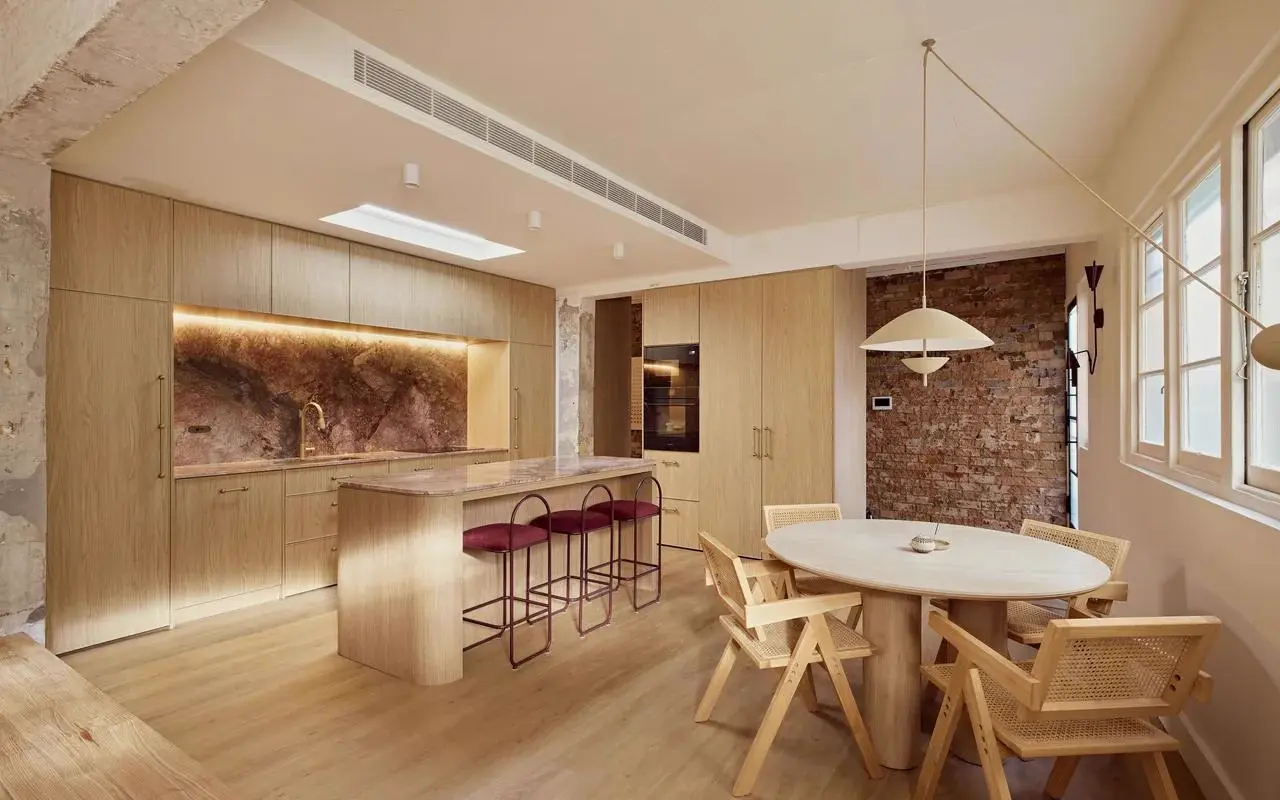
Getting three renovation quotes is not enough if you do not know how to compare them. A $28,000 quote and a $41,000 quote for the same kitchen might actually be the same scope — or completely different. Here is how to get quotes that are actually comparable.
TL;DR: Before calling anyone: have your dimensions confirmed, know which appliances you are keeping or replacing, and have a clear scope (what is in, what is out). Ask every company the same questions. Compare quotes line by line, not total to total. The cheapest quote is not always cheapest — scope exclusions, inferior materials, and non-licensed work all cost more later.
What to Prepare Before You Call Anyone
The quality of a renovation quote is directly related to the quality of information you provide. Vague briefs produce vague quotes. Here is what to have ready before you contact a single company.
Room dimensions. Measure the room yourself with a tape measure. Write down: total width of each wall, ceiling height, window and door locations, and any fixed items that cannot move (load-bearing walls, plumbing waste locations, electrical switchboard). You do not need architectural drawings for a standard kitchen or bathroom renovation — but you do need accurate dimensions.
Appliance list. For kitchens: which appliances are you keeping (fridge, oven, rangehood, cooktop, dishwasher) and which are being replaced? If replacing, what models are you considering? Cutout dimensions for your cooktop and oven affect cabinet widths. A 900mm freestanding oven takes a different cabinet configuration than a 600mm underbench oven.
Clear scope decision. Before anyone visits, decide what is in scope and what is out. Examples of scope decisions:
- Is flooring included or are you keeping existing floors?
- Is plumbing being moved or is the sink staying in its current location?
- Are you doing painting or is that out of scope?
- Are you including appliances in this quote or budgeting separately?
If you leave these questions open, different companies will make different assumptions and the quotes will be incomparable.
Photo reference. Have reference photos of styles you like. Not to dictate the design — but so the company understands your taste without a long conversation. A joiner who understands you want a clean, minimal kitchen in white with integrated handles will give you a more targeted quote than one guessing from vague descriptions.
Budget indication. You do not have to disclose your budget, but having a range in mind ($25,000–$35,000, for example) lets a good company tell you what is achievable in that range, rather than quoting a job that is $60,000 and leaving you to find out at the end.
What to Ask Every Company (Same Questions, Every Time)
For a quote to be useful, you need to ask the same questions to every company. Here are the ones that matter.
Is the quote fixed price? The answer should be yes. A quote that says 'approximately' or 'estimate' is not a quote — it is a starting point that can escalate. For any job over $10,000, a fixed price with clearly documented scope is the minimum standard.
What is specifically excluded from this price? Ask them to list exclusions, not just inclusions. Common exclusions that appear in fine print: benchtop, painting, tiling, plumbing, electrical, appliances, flooring, and 'client-supply items'. If any of these are excluded, get a separate quote for each one before comparing totals.
Who does the installation — your crew or subbies? Some companies sell and project-manage, but use subcontractors for installation. This is not automatically bad — but it affects accountability. If the installation crew is a regular subcontractor who has worked with the company for years, that is different from an unknown labour hire crew. Ask how long their installers have been working with them.
What is your licence number and what type of licence? For NSW, ask for their contractor licence number. Verify it on the NSW Fair Trading public register. For work involving plumbing or electrical, those trades must have separate licences — confirm who holds them.
What are the payment terms? Industry standard in Sydney: 50% deposit, 30% on delivery, 20% on completion. Terms that deviate significantly from this (especially asking for more than 50% upfront) warrant caution.
What is the process if something goes wrong? Ask what happens if a panel is damaged in delivery, if there is a defect in a door, or if a hinge fails within 6 months. A company confident in their work will have a clear answer. A company that hedges or gets defensive about this question is telling you something.
Who is my point of contact? For any renovation, you want a named person who is responsible for your job. 'The office' is not an answer. A specific person who will answer your calls and emails during the project — that is the answer you want.
How to Read a Renovation Quote
Most renovation quotes look like a single page with a total at the bottom. A good quote is a detailed document. Here is how to read both.
Total-only quotes. A quote that says 'Kitchen renovation as discussed — $32,400' with nothing else is not useful for comparison. You do not know what is included. You cannot compare it against a quote for the same kitchen that is itemised. Ask for a line-item breakdown before accepting a total-only quote.
What line items should a kitchen renovation quote include:
- Cabinetry supply (list materials: carcass board, door material, profile, colour)
- Cabinetry installation
- Benchtop supply and installation (or explicitly excluded)
- Hardware (list brand and type)
- Appliance cutouts and integration (or excluded with a note)
- Kickboards and end panels
- Cornice if applicable
- Demolition and removal of existing kitchen
- Any inclusion items (e.g., 'Two integrated bin drawers — included')
- Payment schedule
- Start date and estimated completion
The exclusion list is as important as the inclusion list. If benchtop is excluded, plumbing is excluded, and painting is excluded, the 'cheaper' quote might require $15,000 of additional work not reflected in the price.
Check material specifications. If one quote specifies '16mm HMR carcass, Blum hinges, 18mm 2-pac doors' and another says 'standard cabinet construction with quality fittings', they are not comparable. Ask the second company to specify materials in writing before you compare totals.
Check warranty terms. Good joinery companies offer 2 years on workmanship. Blum offers a 10-year warranty on their drawer systems. If no warranty is mentioned in the quote, ask for it in writing.
Red Flags in Renovation Quotes
These are the patterns that appear in quotes before problems occur.
'Approximate' pricing. Already covered — but worth repeating. Any quote that uses 'approximate', 'estimated', or 'subject to change' is a project that can escalate without your agreement. For joinery and renovation work in Sydney, fixed price is the standard.
Deposit over 60%. A 50% deposit is standard. Some jobs warrant 60% if materials are expensive and ordered upfront. 80-100% upfront is not standard and removes your leverage if the work is not completed as specified.
Cash-only. Not illegal, but a company that insists on cash only cannot provide a GST invoice. That is a problem for your records, potentially illegal if they are not registered for GST, and removes your paper trail if there is a dispute.
No site visit before quoting. A company that quotes a kitchen renovation without seeing the site is guessing. Walls are not always square, ceilings are not always flat, and existing plumbing may constrain what is possible. A site visit is not optional for a job over $10,000.
No drawings before deposit. You should not pay a deposit before you have seen a drawing of what you are buying. The drawing is your record of what was agreed. Without one, scope creep and disputes are much more likely.
Unlicensed trades. For kitchen renovations in NSW, the contractor must hold a current licence. Check it. If plumbing or electrical is included in the quote, ask who holds those licences and verify them separately. Unlicensed plumbing and electrical work creates insurance and safety problems.
Unable to provide references. A company with a track record of completed jobs in Sydney should be able to give you 2–3 references without hesitation. If they cannot, ask why.
Getting Three Quotes: How to Make Them Useful
Three quotes from three companies is the standard advice. Here is how to make those three quotes actually useful.
Send the same brief to all three. Write out your scope (dimensions, appliances, inclusions, exclusions) and send it to every company before any site visit. This gives you a baseline to compare against.
Ask for quotes within the same timeframe. Getting one quote in Week 1 and another in Week 5 means different lead times and potentially different material costs. Try to have all three within a 2-week window.
Compare line by line, not total to total. Build a simple spreadsheet: rows for each scope item, columns for each company. Fill in what each company is charging for each item. Where one company excludes something another includes, add the estimated cost of the exclusion so you have a true comparable total.
The cheapest total is rarely the cheapest job. If a quote is 30% cheaper than the other two, find out why before concluding it is a better deal. The most common reasons for significantly cheaper quotes: inferior materials, unlicensed work, exclusions that will become variations, or a company that intends to change the price after deposit.
Price is a signal, not a decision. A quote that is 15% more than the others might reflect better materials, longer warranty, more experienced installation crew, or simply higher overhead. A quote that is 15% less might reflect the same things in reverse. The price tells you something — it does not tell you everything.
InsideOut Joinery & Renos provides fixed-price quotes for kitchen renovations, wardrobes, bathrooms, and joinery across Sydney. Site visit included, dimensioned drawing before deposit. Call 02 5000 0402 or visit insideoutjoinery.au for a quote.
Frequently asked questions
How many quotes should I get for a kitchen renovation in Sydney?
Three quotes is the standard. More than four becomes difficult to manage — the time spent comparing becomes counterproductive. The goal is not the most quotes but the most comparable quotes. Send the same written scope to every company and compare line by line, not total to total.
What should a kitchen renovation quote include?
A complete quote should include: cabinetry supply with material specifications, installation, hardware brand and type, demolition and removal of existing kitchen, benchtop (or a clear note that it is excluded), payment schedule with amounts and milestones, start date and estimated completion date, and warranty terms.
How do I verify a joinery company's licence in NSW?
Go to onegov.nsw.gov.au/publicregister and search by company name, individual name, or licence number. A licensed contractor in NSW will appear on this register with their licence category and expiry date. For kitchen renovations involving plumbing or electrical, those trades must hold separate licences — check each one.
Is a 50% deposit normal for a kitchen renovation?
Yes, 50% deposit is standard for Sydney kitchen renovations. This covers material costs and secures your place in the build schedule. The typical structure is: 50% deposit, 30% on delivery, 20% on completion. Requests for 80–100% upfront are not standard and should be questioned.
What is the difference between a quote and an estimate?
A quote is a fixed price for a defined scope of work. An estimate is an approximation that can change. For renovation work in Sydney, always get a fixed-price quote — not an estimate. If a company only provides estimates, ask why they cannot provide a fixed price and what conditions might change the cost.
InsideOut Joinery & Renos is a family-run custom joinery and renovation business based in Liverpool, Sydney NSW 2170, serving homeowners Sydney-wide. Call 02 5000 0402 or email info@insideoutjoinery.au. One point of contact — we organise and manage every trade on your job, with quick turnaround and 12 years of experience. Licensed contractor — licence 383725C, ABN 62 912 909 739.