The Bathroom Renovation Checklist Every Sydney Homeowner Needs
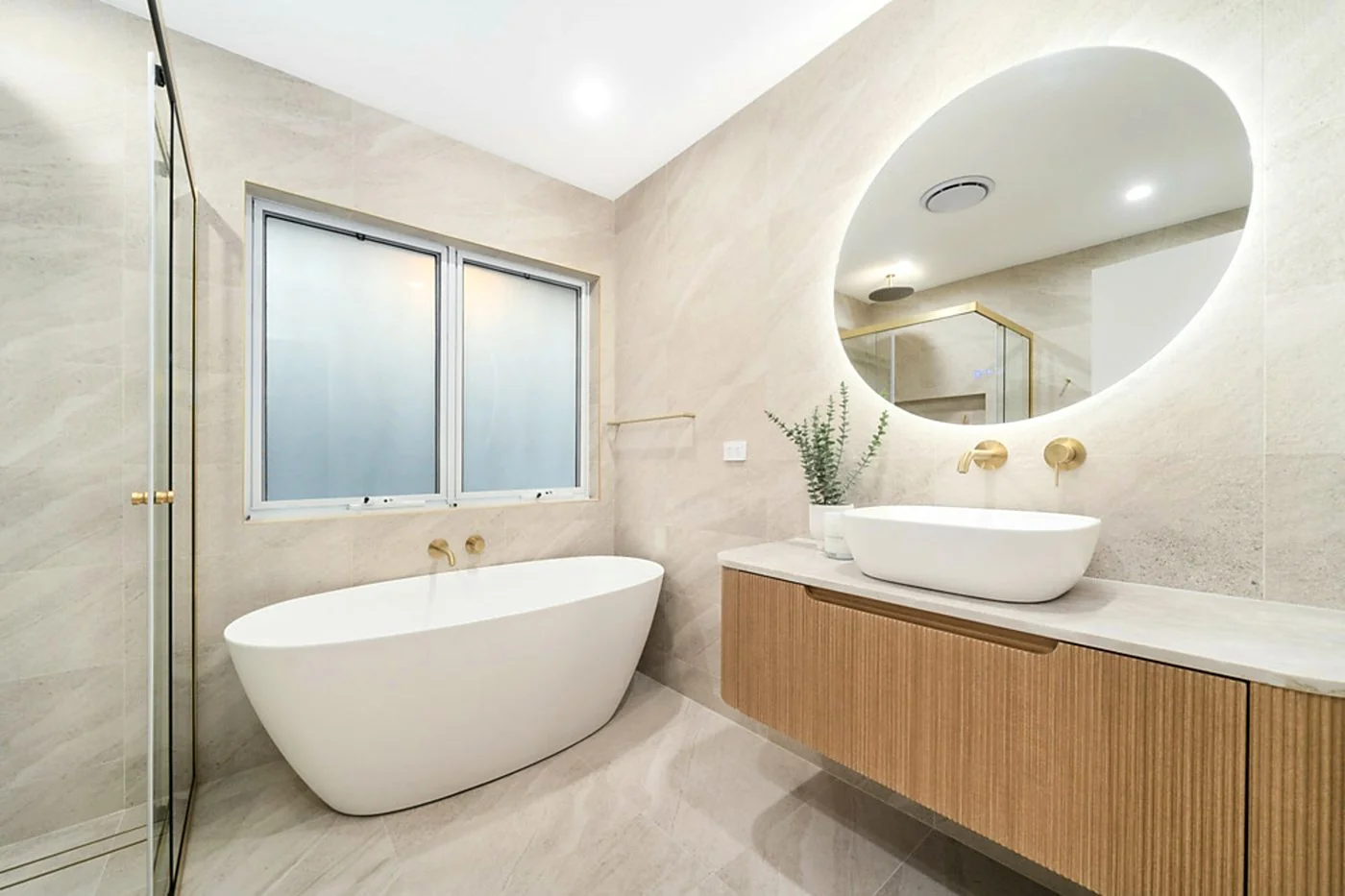
A bathroom renovation involves more than 40 decisions before a single tile goes up. This is the complete checklist Sydney homeowners need to lock the lot in before work starts.
TL;DR: A bathroom renovation involves 40+ decisions before work starts. Getting them right before anyone picks up a tool saves money, avoids delays, and means the finished result is what you actually wanted.
Before You Call Anyone
Before you ring a single contractor, sort out a few things at the kitchen table. I'm a licensed contractor based in Liverpool, and in twelve years I've watched plenty of renovations stall because the homeowner hadn't done this first part. It only takes an evening.
Start with a realistic budget range. Most Sydney bathrooms land between $15,000 and $45,000 depending on scope, so decide where you sit before anyone quotes you. Then list what you're keeping and what's changing — if the toilet and bath are staying put, the job is far cheaper than relocating them.
Next, be honest about scope. A cosmetic refresh keeps the layout and waterproofing and updates what you see. A full gut strips back to the studs and slab. They're different jobs at different prices, so don't quote a refresh and expect a rebuild.
Finally, set a timeline. We typically turn a standard bathroom around in about three weeks on site once materials arrive — but allow extra weeks beforehand for selections and ordering. You can see the range of work we do on our bathroom renovations page.
Layout Decisions
Layout is the most expensive thing to change your mind about, so settle it early. The first question is where your wet area sits — the shower and any floor waste. Keeping the wet area in its existing spot saves the cost of re-falling the floor and moving drainage.
Next, the toilet. Moving a toilet means moving the soil pipe, which is real plumbing work and real money. If it can stay where it is, leave it. Same logic for the basin and bath.
Check the door swing too. A door that opens into the room eats space and can clash with the vanity or toilet. A cavity slider often frees up a surprising amount of floor in a tight Sydney bathroom.
Then the big one: shower versus bath. In a family home, keeping at least one bath helps resale. In an ensuite, a larger walk-in shower usually makes more sense. Decide based on who uses the room and how long you're staying. Every plumbing relocation adds cost, so the rule is simple — move only what genuinely improves how the room works.
Fixtures and Fittings
With the layout locked, choose your fixtures. These are the decisions people enjoy, but they also swing the budget hard, so be deliberate.
Start with the vanity. Decide on style — wall-hung or floor-standing — and the exact width that fits your layout. Wall-hung looks lighter and makes the floor easier to clean; floor-standing gives more storage. Then the toilet suite: back-to-wall and wall-faced units hide the cistern and pipework and are far easier to clean than an old close-coupled suite.
For the shower, decide on the configuration — a fixed rain head, a handheld on a rail, or both on a diverter. Both is the practical choice for most families.
Tapware finish ties the whole room together, so pick one finish and carry it through every tap, the shower and the accessories. Chrome is timeless and cheapest; matte black and brushed brass are popular but cost more and show marks differently.
Finally the screen — framed, semi-frameless or frameless. Frameless looks the cleanest but costs more; semi-frameless is the sensible middle ground most Sydney bathrooms land on.
Tiles and Surfaces
Tiles set the entire look of the room and they're a pain to change later, so choose carefully. Start with format. Large-format tiles mean fewer grout lines and a calmer, more open feel, which suits small Sydney bathrooms well. Smaller tiles and mosaics give grip underfoot, which is why they often go on shower floors.
Decide floor and wall separately. The floor needs to be rated for wet-area slip resistance; the walls have more freedom. Many of the bathrooms we do run one tile up the walls and a contrasting tile or finer mosaic on the shower floor.
Grout colour matters more than people expect. A grout close to the tile colour hides dirt and reads as one surface; a contrasting grout makes a feature of every line and shows every mark.
Don't forget the detail items. A built-in shower niche needs to be planned before waterproofing, not after. Decide whether you want a splashback behind the vanity. And if you want a heated floor, the heating mat goes in early in the sequence — it can't be retrofitted once the tiles are down.
Storage and Lighting
Storage and lighting are where a bathroom either works every morning or annoys you for years. Sort them on paper now.
Decide between a plain mirror and a mirror cabinet. A mirror cabinet adds genuine storage for everything you'd rather not see on the bench, but it sits proud of the wall — a flat mirror looks sleeker if you have storage elsewhere. Under the vanity, drawers beat a single cupboard every time. Drawers reach the back, organise neatly, and a U-shaped drawer simply sits around the plumbing.
Plan recessed niches in the shower and, if there's room, beside the vanity. They keep bottles off the floor and cost almost nothing if planned before waterproofing.
Lighting needs layers. A general ceiling light isn't enough — you want light at the vanity, either a wall light each side of the mirror or a lit mirror, so you're not shaving or doing makeup in your own shadow.
Last, the exhaust fan. NSW requires mechanical ventilation in a bathroom without an openable window, and a good fan stops the mould and peeling paint that ruin a renovation within a couple of years.
Finding and Briefing a Contractor
Now you're ready to talk to contractors — and the brief you bring decides how useful the quotes are. First, check the licence. In NSW you can look up any builder on the Fair Trading website and confirm the licence is current and covers the work. Ours is 383725C. It takes two minutes and tells you whether the person quoting is actually licensed for the job.
Understand fixed versus provisional quotes. A fixed-price quote commits to a number for a defined scope; a provisional quote uses allowances that move once you choose your finishes. Neither is a trap, but you need to know which one you're signing.
Ask who manages the project day to day. We organise and manage every trade — plumber, tiler, electrician and joinery all through us, scheduled in the right order — so you're not chasing five contractors or copping the gaps when one trade blames another.
Finally, give a good brief: your scope, your finishes, your budget range and your must-haves. The clearer the brief, the more comparable the quotes. For real numbers to anchor your budget, read our bathroom renovation cost guide.
The Pre-Start Checklist
This is the final gate before demolition begins, and it's the one that keeps a job on schedule. Run through it with your contractor and don't let work start until every box is ticked.
First, are all finishes locked? Tiles, grout colour, tapware, vanity, toilet, screen, lighting — every selection signed off on paper, not still 'to be decided'. Decisions made mid-job are how budgets blow out and timelines slip.
Second, are materials ordered? Imported tiles, stone and certain fixtures can take weeks to arrive. Ordering late stalls the whole job, so everything should be ordered and lead times confirmed before day one. We sort selections early for exactly this reason.
Third, are the trades scheduled in sequence? Demolition, plumbing rough-in, waterproofing and its certification, tiling, fit-off, then electrical and joinery — each in the right order with no gaps.
Fourth, is access arranged? Parking for trades, a clear path for demolition and rubbish, somewhere for the skip, and a back-up bathroom for the household while the work runs. Lock all four down and the three weeks on site run smoothly instead of stop-start.
Talk to us about your bathroom
If you've worked through this checklist and you're ready to get real numbers against it, the easiest first step is a chat. Call us on 02 5000 0402, or send through your plans and a few photos of the existing bathroom and we'll come back with a free quote and a clear, itemised scope. No pressure and no obligation — just an honest number and a plan you can hold us to. We're family-run, licensed, and we've been doing this for twelve years. Liverpool-based and working right across Sydney.
Frequently asked questions
What decisions must be made before bathroom renovation work starts in Sydney?
Before any trades start, you should have your layout settled, every fixture chosen, your tiles and grout colour locked, your lighting and storage planned, and your budget range agreed. That covers wet-area location, toilet and basin placement, shower versus bath, vanity style and size, tapware finish, screen type, tile format and the exhaust fan. Most bathrooms involve more than forty individual decisions. Making them all on paper before demolition — rather than on site under pressure — is what keeps the job on budget and on schedule, and means the finished room is the one you actually pictured.
How do I know if I need council approval for my bathroom renovation?
Most internal bathroom renovations in Sydney do not need council approval because you're working within the existing footprint. Approval or certification usually only comes into play if you're moving plumbing significantly, altering a load-bearing wall, changing the building's external footprint, or working on a heritage-listed or strata property where extra rules apply. Waterproofing must still be done to NSW standards and certified regardless of approval. A good contractor will tell you upfront whether your specific job needs any approvals before work begins, so there are no surprises partway through and no risk of unapproved work causing problems at sale.
What should I include in my bathroom renovation brief to a contractor?
A strong brief includes your scope (cosmetic refresh or full gut), your budget range, every finish you've chosen, and your non-negotiable must-haves. List the layout you want, the fixtures and their sizes, your tile and grout selections, tapware finish, screen type, lighting plan and storage needs. Add photos of the existing bathroom and a rough floor plan with measurements. The clearer and more complete your brief, the more comparable the quotes you get back — vague briefs produce vague quotes that are impossible to compare fairly, and they leave room for costs to creep once work begins.
How do I compare bathroom renovation quotes from different Sydney contractors?
Compare quotes line by line, not by the headline number. A quote you can actually compare spells out demolition and rubbish removal, waterproofing certified to NSW standards, tile preparation and tiling, the shower screen, toilet suite, tapware, lighting, exhaust fan, painting and the vanity. The cheapest quote is often cheap because it quietly leaves out waterproofing certification, proper tile prep or rubbish removal. Also confirm whether each quote is fixed or provisional, and check each contractor's licence on NSW Fair Trading. A detailed, itemised scope from a licensed contractor is worth more than a low number with no detail behind it.
What is the most common mistake Sydney homeowners make when planning a bathroom renovation?
The most common mistake is starting work before every decision is locked. Homeowners choose a contractor, get excited, and let demolition begin while half the finishes are still 'to be decided'. Then selections get made on site under time pressure, materials get ordered late and hold up the job, and the budget creeps with every change of mind. The fix is simple: lock the entire scope, choose every finish, and order all materials before day one. A renovation planned fully on paper runs smoothly. One planned as it goes runs over time and over budget almost every time.
InsideOut Joinery & Renos is a family-run custom joinery and renovation business based in Liverpool, Sydney NSW 2170, serving homeowners Sydney-wide. Call 02 5000 0402 or email info@insideoutjoinery.au. One point of contact — we organise and manage every trade on your job, with quick turnaround and 12 years of experience. Licensed contractor — licence 383725C, ABN 62 912 909 739.